シティボーイ (City Boys)
A formalization of cheekiness
March 5, 2026
I happened upon an interesting YouTube video that caught my eye a couple days ago, which helped me unify some of the concepts and ideas that have been floating around in my head.
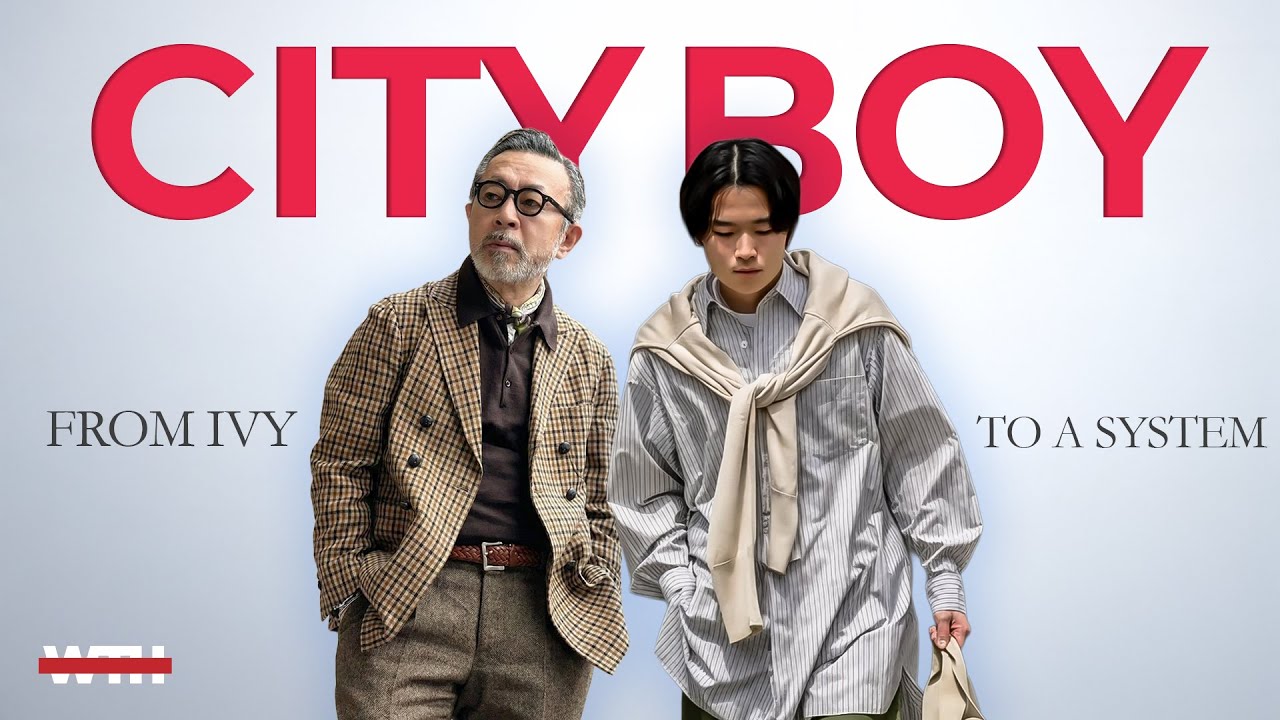
The American vs. Japanese City Boy
When I first saw the title, I was reminded of the "city boy" memes from 2022 and "city boy summer", defined by UrbanDictionary contributor smoovgltttt as "a male who is living his very best life and chasing the bag at all times without letting Hot Girls or any female get in the way."
I was bored, trying to let my MCL heal in a hostel in Canmore, so I gave the video a shot. I'm glad I did, because the "city boy" referenced in the video is a completely different idea (but not at all mutually exclusive from the American "city boy"). Reggie from THE CASUAL does a great job breaking down the history, cultural background, and legacy of the Japanese City Boy, so if you have the time, I do recommend the watch, but I've also taken a pass at a TLDR of the concept below.
The Japanese "city boy" (シティボーイ from here on, to disambiguate from the American city boy) is the result of a couple cultural visionaries building a system of consumption and expression around post-war Japan's desire for modernization and print-heavy, instruction-based culture. Originally rooted in the importing of Ivy League fashion trends to the young urbanites of Tokyo through print media, the city boy "system", as Reggie calls it, evolved to encapsulate the decisions of an individual who is deeply familiar and comfortable with the nuances of a metropolis like Tokyo.
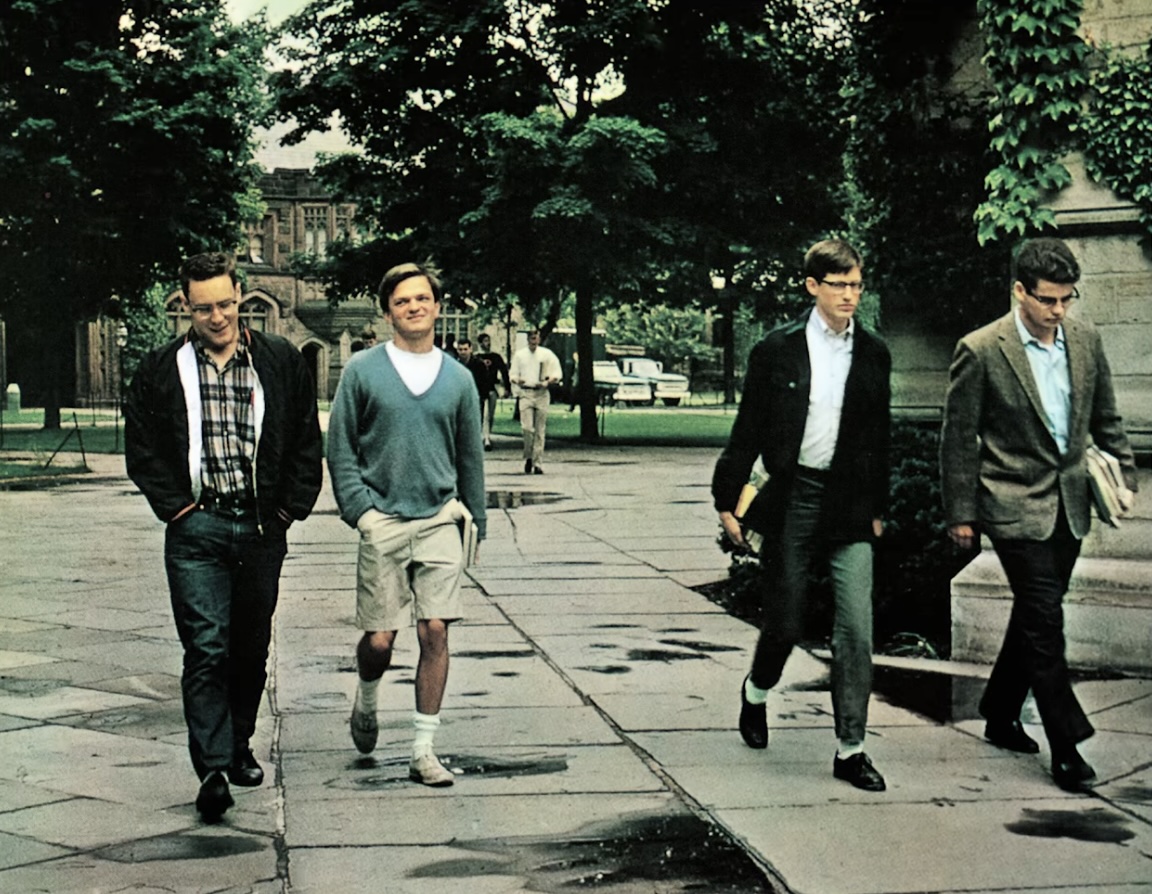
The excerpt below from the video really encapsulates the idea:
To be a city boy...meant you also cared about the chair you sat in, the coffee you brewed, and the neighborhood you lived in. It was the ability to navigate the city's hidden layers, the urban competency required to know the best corner coffee shop in Sancha or the specific back street route that avoids the tourist corridor in Shibuya.
In short, while the American "city boy" is an individual with effortless success in the mating market despite a displayed indifference to the pursuit, the Japanese "city boy" is one whose intricate knowledge of the urban jungle and its complexities manifests through refined actions and taste. As mentioned above, not necessarily mutually exclusive, but the latter definitely resonates more with me.
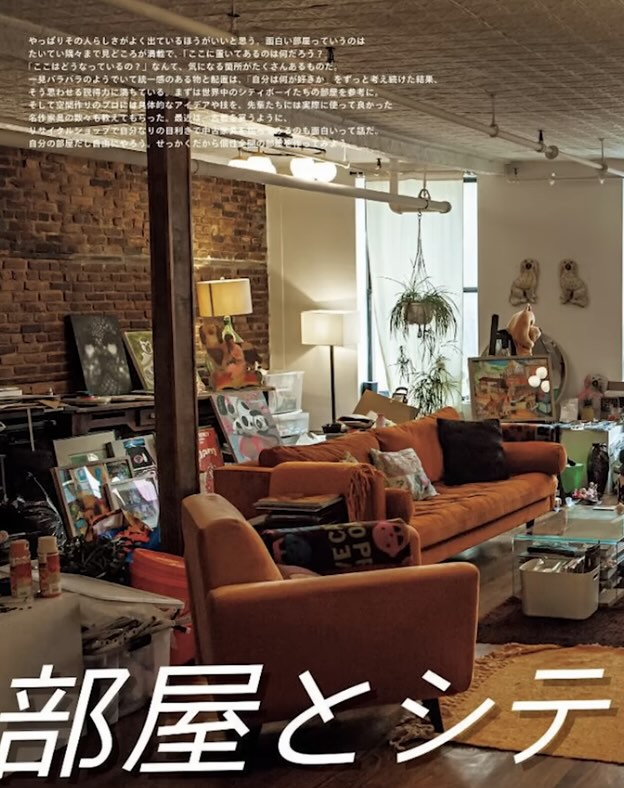
City boys in NYC
Even though the mention of "city boys" in NYC will almost certainly conjure up the former definition above, I think the Japanese city boy concept actually applies exceptionally well to NYC as well. NYC has a culture of authenticity; it means something to be a real New Yorker. Even only living there for a couple years, I learned some of the cultural markers and shibboleths that distinguish real New Yorkers, like calling the subway the "train", referring to Manhattan as "the city", or how to pronounce Houston (there's of course plenty of others that I'm not even privy to, since I'm definitely not a real New Yorker). Part of that culture is a sense of acknowledgement for those who "know" how NYC operates, compared to tourists who crowd up the sidewalks in Times Square or the transplants that haven't ventured outside their bubbles and couldn't point out Staten Island on a map (this acknowledgement also touches on issues of gentrification, particularly with transplants).
The video, and the concept of the Japanese city boy, really resonated with me, as I had (I hope) taken the effort to understand and learn about NYC while I lived there. Assisted by Rishabh's food tours, my constant need for optimization, and the SubwayTime app, I became quite familiar with and adept at navigating NYC, and I would have a sense of pride and satisfaction every time I would take a cheeky combination of CitiBike and public transit options that would get me somewhere twice as fast as an Uber, at a fraction of the cost.
My interpretation of the video and the Japanese city boy system is to extend that level of knowledge, familiarity, and "cheekiness" to all things, not just metropolitan navigation. In a sense, it's finding the elbow point (point of diminishing returns) of knowledge across the domains you care about. For example, knowing the basics of the different types of brewing methods, grind sizes, bean cultivars, and altitude implications of coffee gives you a deeper appreciation and helps you nail every cup of coffee with your preferred tastes, but once you're custom-sourcing beans and building your own roasting setup, you're taking time and attention away from exploring and understanding other topics: the nuances of the different film stock and lens choices of your photography setup, a new album dropped by one of your favorite artists, or the historical and social context of a new film you've been meaning to watch. To be a シティボーイ is to get to the elbow point of knowledge that allows you to be cheeky in whatever you do, whether it be navigating the city, decorating your home, or expressing yourself through art.
Performance and the performative male
These ideas bring us to another concept I flirted with during my time in NYC - the performative male. The video touches on the difference between the city boy system and performance, and I'm pretty aligned to how Reggie describes it. I'm considering writing a longer-form piece on the idea one day, but here's a brief preview.

In the modern age, the expertise and refinement that comes with the intimate knowledge inherent to the Japanese city boy system is attractive, conveying both status and cultural fluency. To have this knowledge, you need capital, free time, and taste - all things that signal success in the modern world. Like anything signalling status, there are imitations. Why learn the theory and history behind the boxy-fit Oxfords and baggy chinos, deeply enjoy and appreciate the imperfections of vinyl, or really take the time to really explore Greenpoint, when you can signal the result through imitation? In the age of information, you don't have to. All the brands, artists, cafes-the consumption decisions-can be found with a little bit of digging, or from your favorite TikTok influencer.
In my mind, the performative male is the specific manifestation of this performance to signal dating status. Honestly, I don't think there's anything wrong with it. Different strokes for different folks - if that's what brings you happiness and fulfillment in life, all the better for you. Fundamentally though, unless you're genuinely enjoying the content you consume, the fashion you express yourself through, and the other decisions you're making, I think the performance lacks authenticity, which I personally think impedes true fulfillment. There's a joy and satisfaction to exploring these concepts, spaces, and ideas, and I think that jives with the authentic シティボーイ.
A final thought on the シティボーイ - the original Japanese subculture and media that popularized this concept was geared to urban young men and boys, hence the usage of "boy". I think it's self-evident that the idea of intimate knowledge across a wide range of subjects is not a gendered one, and I use シティボーイ here purely as a citation of the original Japanese concept. Anyone can be a シティボーイ.